
Six types of investor. One missing sell rule.
The video starts as soon as you hit the button.
We'll also email you the link so you can come back to it.
You already know how to buy a stock. The problem is knowing when to sell it. The winner you rode up and all the way back down. The loser you still can't let go of. In this free 60-minute session we show you the six ways investors get stuck, the missing sell rule underneath every one of them, and what to do about it. Enter your details and watch it right now.
 Enter details and watch now →
The full session · 60 min
Enter details and watch now →
The full session · 60 min

Three things, in 60 minutes
Which of the six you are, and what it costs you
Most people recognise themselves inside ten minutes. Naming the pattern is the part nobody does, and it's the part that changes what you do on Monday.
The problem sitting under all six: not knowing when to sell
Holding a loser for four years and cutting a winner at +100% look like opposite mistakes. They're the same mistake, and there's a defined answer to it.
What running a portfolio properly actually takes
Five to ten stocks, two to three hours a week, criteria you check against instead of a feed you react to. Plus the Q&A, where we answer the questions everyone was thinking.
Six ways investors get stuck
We've taught this to 250+ people and spoken to thousands more. Almost everyone lands in one of these six. Read them properly. One of them is going to be uncomfortably familiar, and that's the useful bit.
The Helicopter Parent
Checks the portfolio at red lights, under the table at dinner, between meetings. Treats a 0.4% daily move like a verdict. Confuses ordinary noise with permanent loss, then sells into it.
The Round-Trip Tourist
Rides a position from £1,500 to £11,000, takes a mental victory lap, then rides it all the way back to £1,200. Never trims, because taking profit feels like giving up on the thesis.
Deer in the Headlights
Has had the money sitting in cash for years. Researches platforms, reads forecasts, waits for an entry point that feels safe. It never feels safe, so the money never moves.
The Shiny Object Magpie
Portfolio reads like a museum of the last three hype cycles. Buys the story at peak attention, which is precisely when there's no margin of safety left in the price.
The Scale Smasher
Completely disciplined at small size. Adds a zero, and the discipline evaporates. Managing a position where you could lose £200 is a different nervous system to one where you could lose £20,000.
The Falling Knife Juggler
Sees a stock down 80% and reads it as a discount rather than a verdict. Averages down into deteriorating fundamentals. PayPal has been doing this to people for years.
Found yourself in one of them?
Find out what's actually underneath it. 60 minutes, free, watch it right now.
Watch the session now →60 minutes, Q&A included
Tight, no padding, no twenty-minute preamble. This was recorded live in front of a full room, and the Q&A at the end is where the specific stuff gets answered.
The wrong belief almost everyone starts with
You scroll, you see a ticker and a big green number, and you conclude the job is picking the best stock. It isn't. Underneath that surface layer are the actual drivers of returns, and that's where nobody is looking.
The six types, one at a time
What each one actually does, what it costs, and the honest reality check for each. This is the part where you work out which one is you, and most people already suspect the answer.
The endowment effect, and why you can't let go
The moment you own something you assign it a value the market doesn't agree with. That's why people are still holding PayPal through a permanent downtrend. The market is reality, and it's the only thing that pays you.
The real problem: nobody has defined "a lot"
"It's up 100%, that's a lot, I'm out." Then it goes to 4,500%. Have you actually defined what a lot is, or are you eyeballing a chart? Trends run far longer than people believe they can, and eyeballing is not a system.
What a system replaces, and what it doesn't
Momentum and the drivers behind it, criteria you check against, and how to fade your own emotions systematically. No maths degree. No full-time job. Five to ten stocks and two to three hours a week.
Q&A with David and Tim
The questions the live audience asked, answered in full. Winners you don't know what to do with, losers you can't let go of, portfolios that grew faster than the process behind them. Yours is probably in there.
The three things people push back on
We'd rather deal with these now than have you sit through 60 minutes quietly wondering.
"Systematic investing sounds like another thing that stops working."
Fair. Most things sold to retail investors are a list of tickers, and a list of tickers has a shelf life. A system isn't a list. It's a set of criteria for entering, sizing, holding and exiting, applied the same way whatever the market is doing.
The criteria don't expire when the theme does. That's the entire point of having them.
"That's fine for someone who knows what they're doing."
You don't need a maths degree and you don't need to be the smartest person in the room. You mostly need to stop doing the handful of things that reliably cost money.
Tim was an estate agent in Spain with no finance background at all. He joined as a student, ran the method on his own portfolio, and now teaches it. He's in the session.
"I haven't got the time, or enough invested for it to matter."
Investing is not a full-time job and we won't pretend it is. Five to ten positions, checked against defined criteria, is two to three hours a week. Less than most people lose to scrolling in a day.
On size: the habits are cheaper to fix at £10,000 than at £100,000. The mistakes just scale with you.
You should be on this if
You're invested, but it's reactive
You hold things. You're just not sure why you still hold some of them, and you decide what to do next based on how the last week felt rather than anything written down.
You've got a winner you don't know what to do with
It's up a long way. You've thought about selling roughly forty times. You have no actual rule for it, so you'll probably keep thinking about it until it gives the gains back.
You've got a loser you can't let go of
You know the one. It's been dead money for years, and selling it would make the loss real, so it sits there quietly costing you everything that money could have been doing instead.
60 minutes to work out which one you are
Free, and we're not selling anything on it. Watching it costs you a name and an email.
Watch the session now →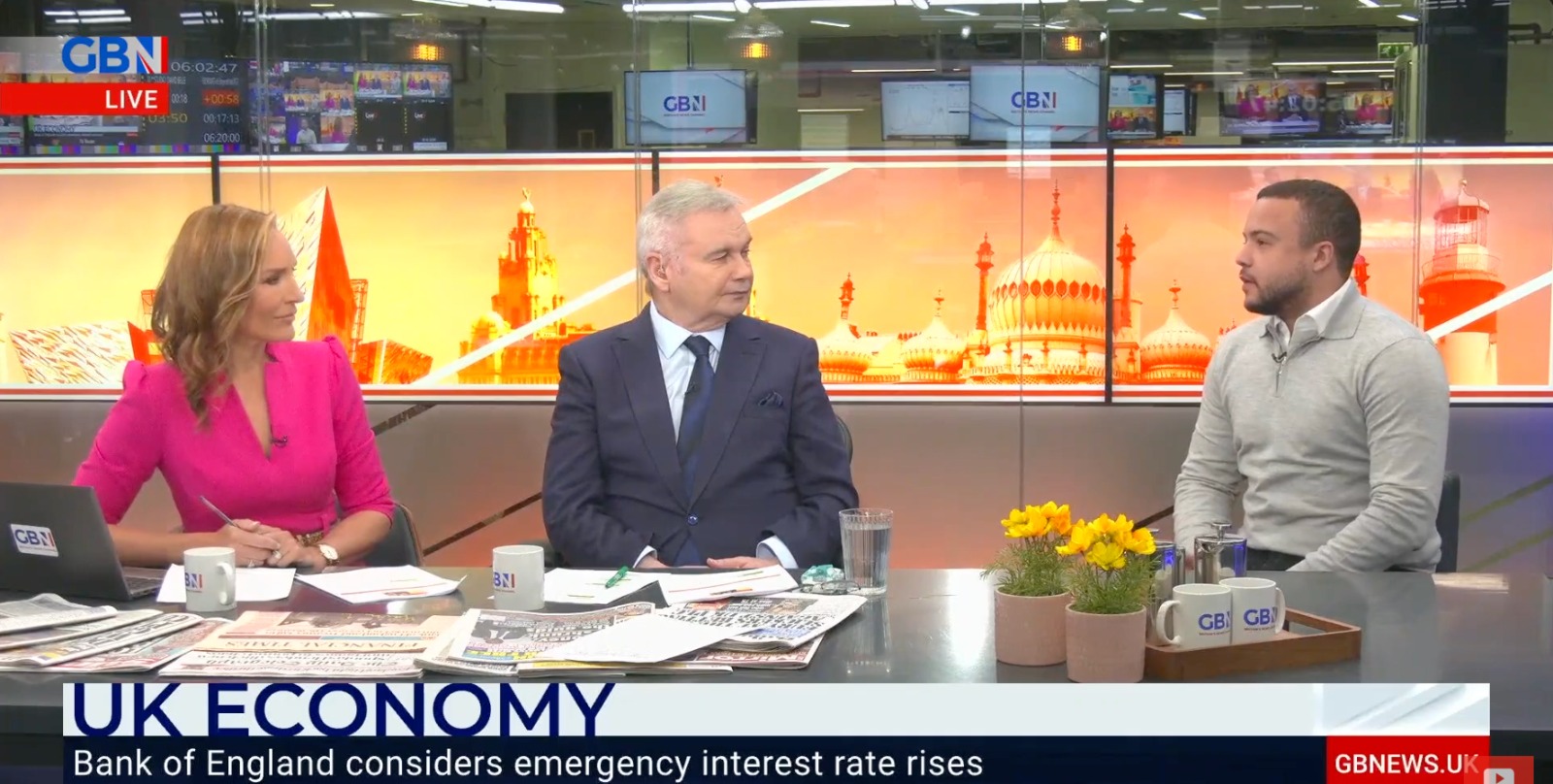

Tim Vollans
Tim was an estate agent in Spain. No finance background, no broker training. He joined FINK as a student in 2018, proved the method worked on his own portfolio, then joined the team during COVID. He's the proof anyone can do this. In the session, Tim brings the audience's questions to David throughout.
Real words from real members
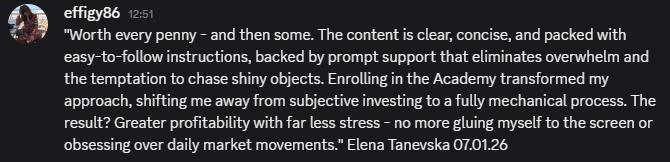
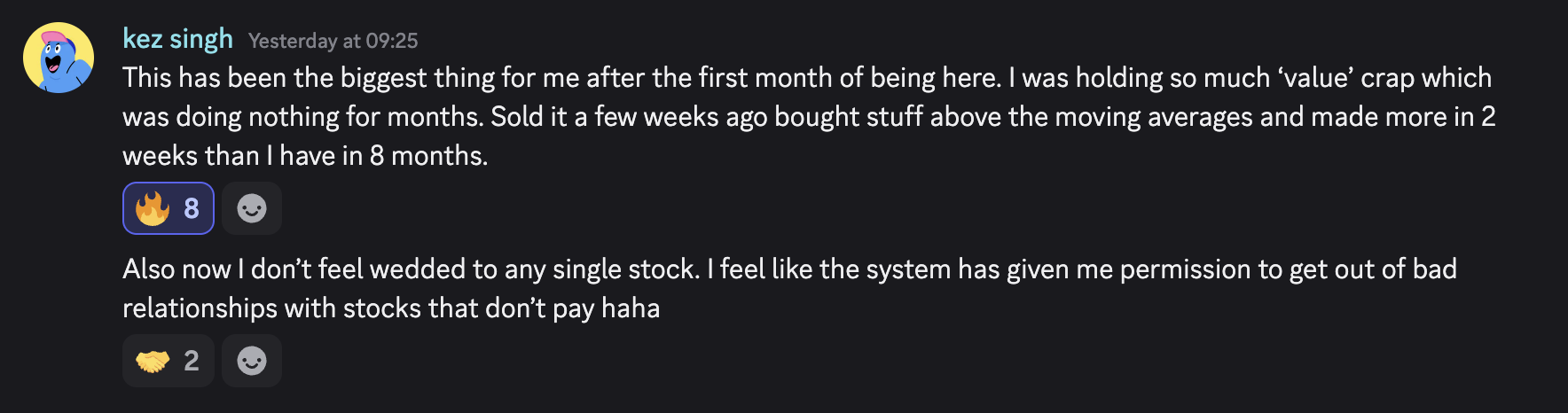
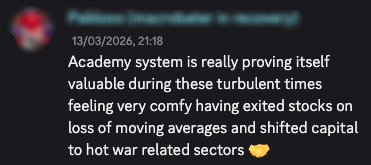
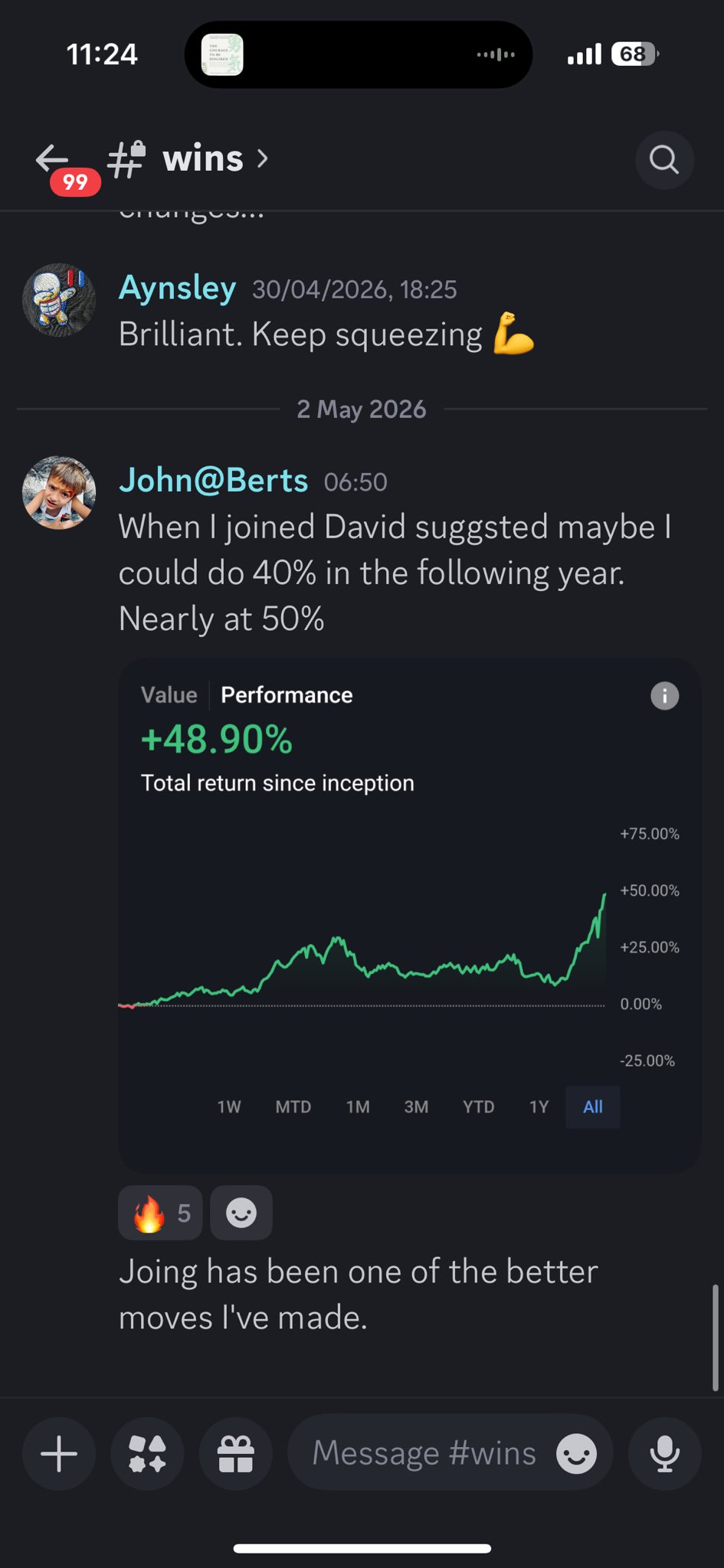
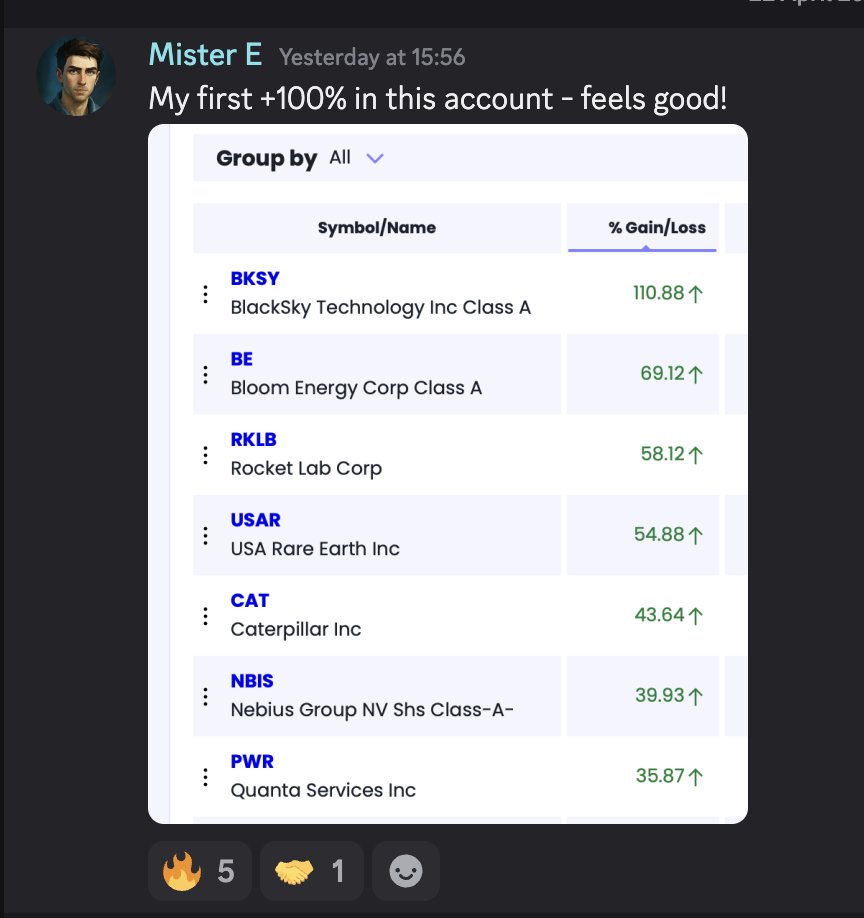
Unedited quotes from our member survey. Not marketing copy. This is what members said when we asked them to describe FINK to a mate in one sentence.
"FINK is like a surf instructor who gets in the water only when conditions are right and teaches you to identify a wave and how to time your ride."
"No nonsense approach to setting up a system with notable variables to almost guarantee no major losses and easily beat whatever current investing method you use."
"David provides a genuinely humorous, knowledgeable and refreshing outlook on investing. Cuts through the noise and just focuses on what actually makes sense."

Everything you need to know
Is this really free?
Do I get access straight away?
Why do you need my email?
Do I need investing experience?
Can I be more than one type?
What happens after I watch it?
Find out which of the six you are, and what to do about it
60 minutes · Free · Starts the moment you opt in
Watch the session now →